
Recently I took my 13-year-old daughter with me on a trip from Michigan to eastern Tennessee. We drove our GMC Yukon more than 600 miles to spend time exploring Maryville and Tellico Plains, not as tourists, but as people asking a much bigger question:
Could this region become part of our future?
Testing Maryville as Our "Big City"
We started in Maryville because I wanted to see whether it could serve as our nearest "big city." We found an Airbnb right on the main drag in the old town, surrounded by restaurants, small attractions, and the kind of walkable downtown that makes everyday life feel easier.
We were close enough to walk to a greenway and a park. One of the first things that stood out was how safe it felt. My daughter was able to walk to the park by herself and even take a nap on a rock there. That is not something I would ever feel comfortable with in Flint, Michigan.
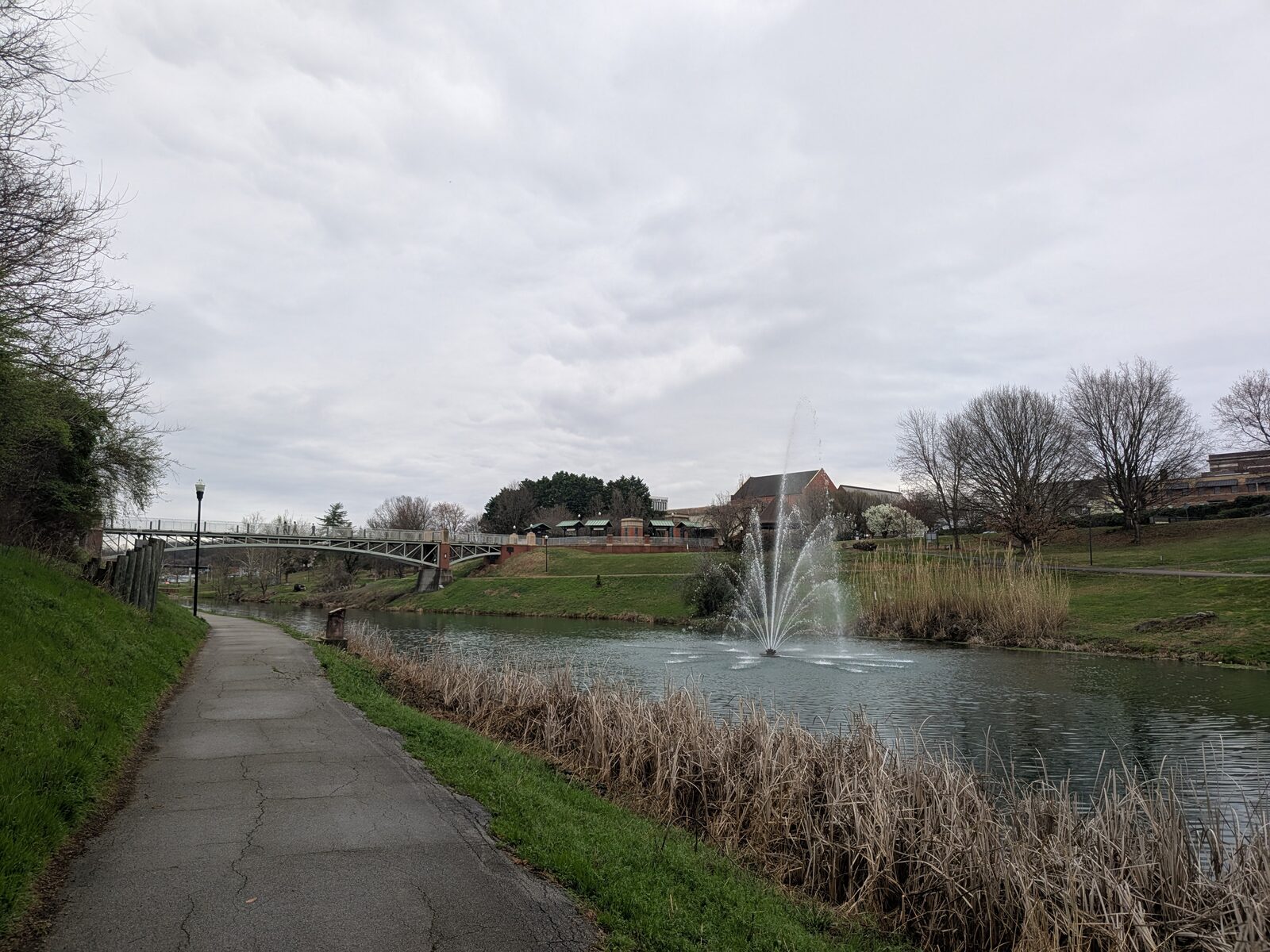
It was a relief to get out of the Michigan winter, but Maryville still felt like a city to us. We explored practical things, not just scenic ones. We went to grocery stores. We walked the downtown strip. We tried to imagine what normal life would feel like there.
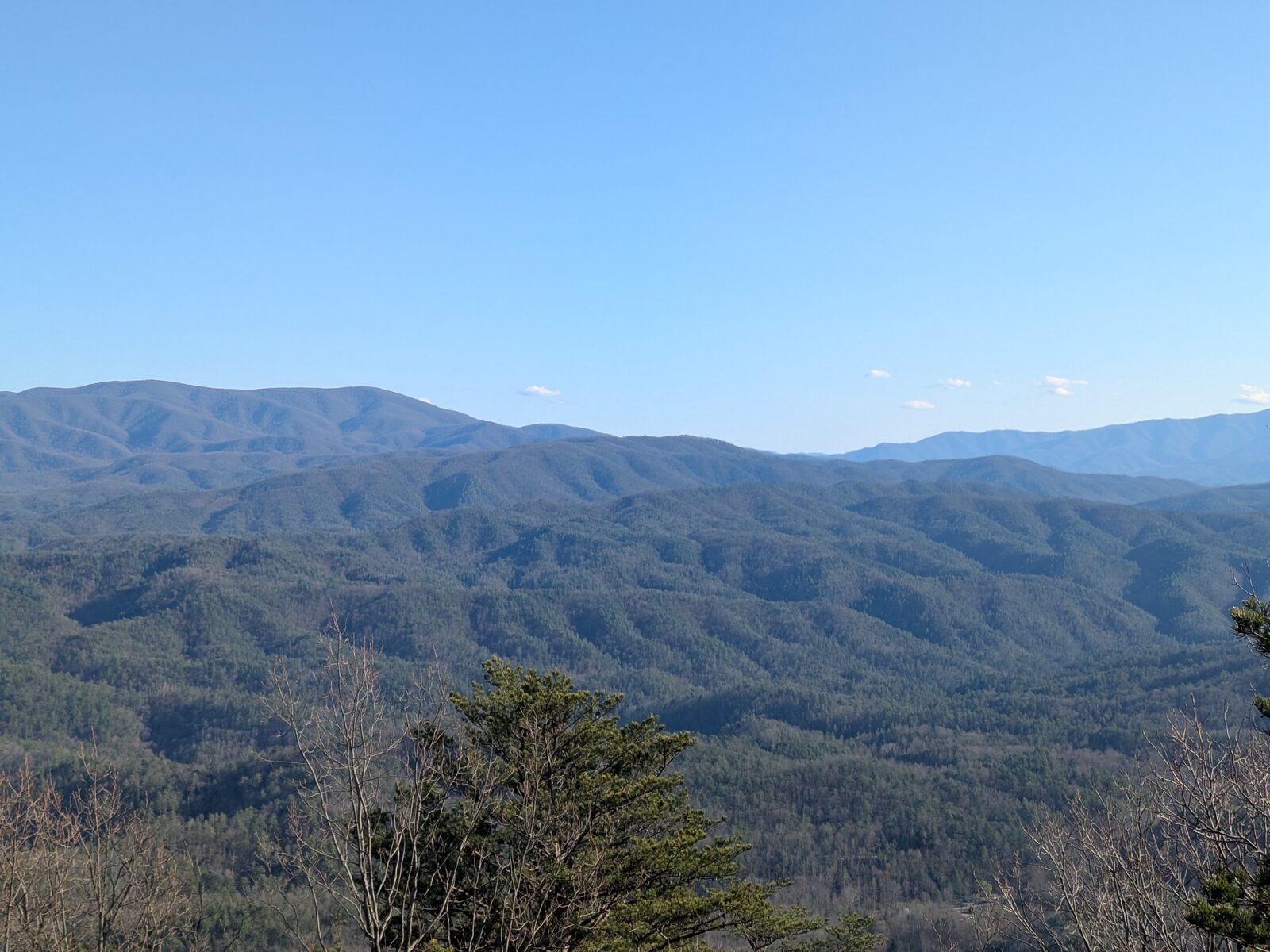
We also made it up to Look Rock, where you can see all the way toward Knoxville. That was my daughter's first real mountain experience, and she took to it immediately. Watching her move through that landscape so naturally was one of the best parts of the trip.
After a few days, though, we both felt the same thing. We liked Maryville, but we were already tired of being in the city.
Tellico Plains Felt Like Home
That led us to Tellico Plains.
We stayed downtown in another Airbnb, this time above a coffee shop, and almost immediately I felt something I have not felt in any of the many towns I have visited over the last several years.
It felt like home.
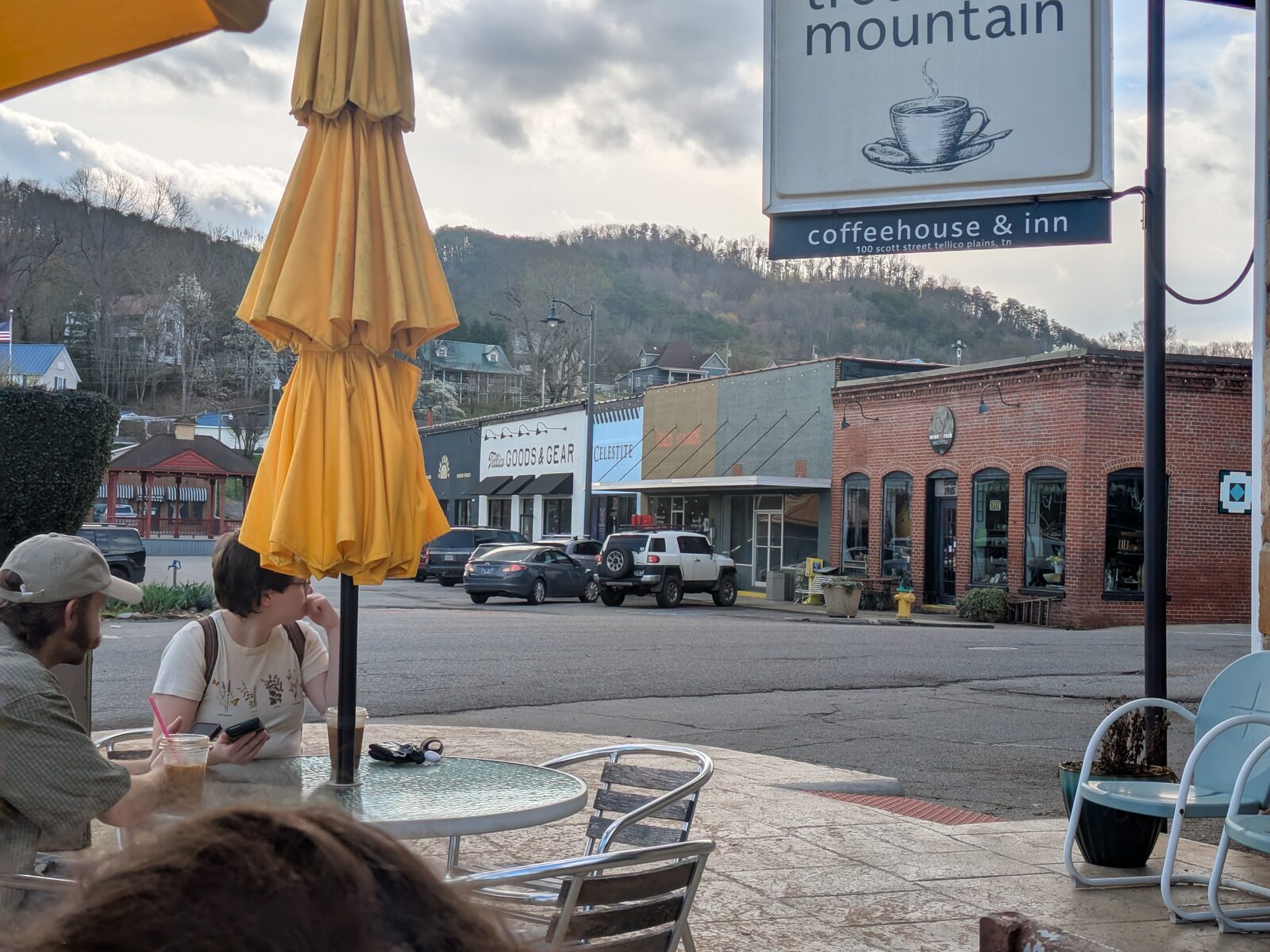
That stood out because this search has taken a long time. I have visited many places trying to understand what actually fits us, and that process is personal. Just because I do not feel at home in Pigeon Forge does not mean someone else would not. But Tellico Plains felt different right away.
During the day I worked remotely as usual. In the evenings we were never more than about 20 minutes from hikes, waterfalls, and mountain access. That kind of life felt natural to both of us. The exercise itself did not feel extreme, but it reminded me how much my body slows down during Michigan winters.
My daughter was more than ready to go deeper. At one point she was eager to head out on Trail 88 without fully understanding how much gear and preparation that would require. Still, her instinct was obvious. She belonged out there.
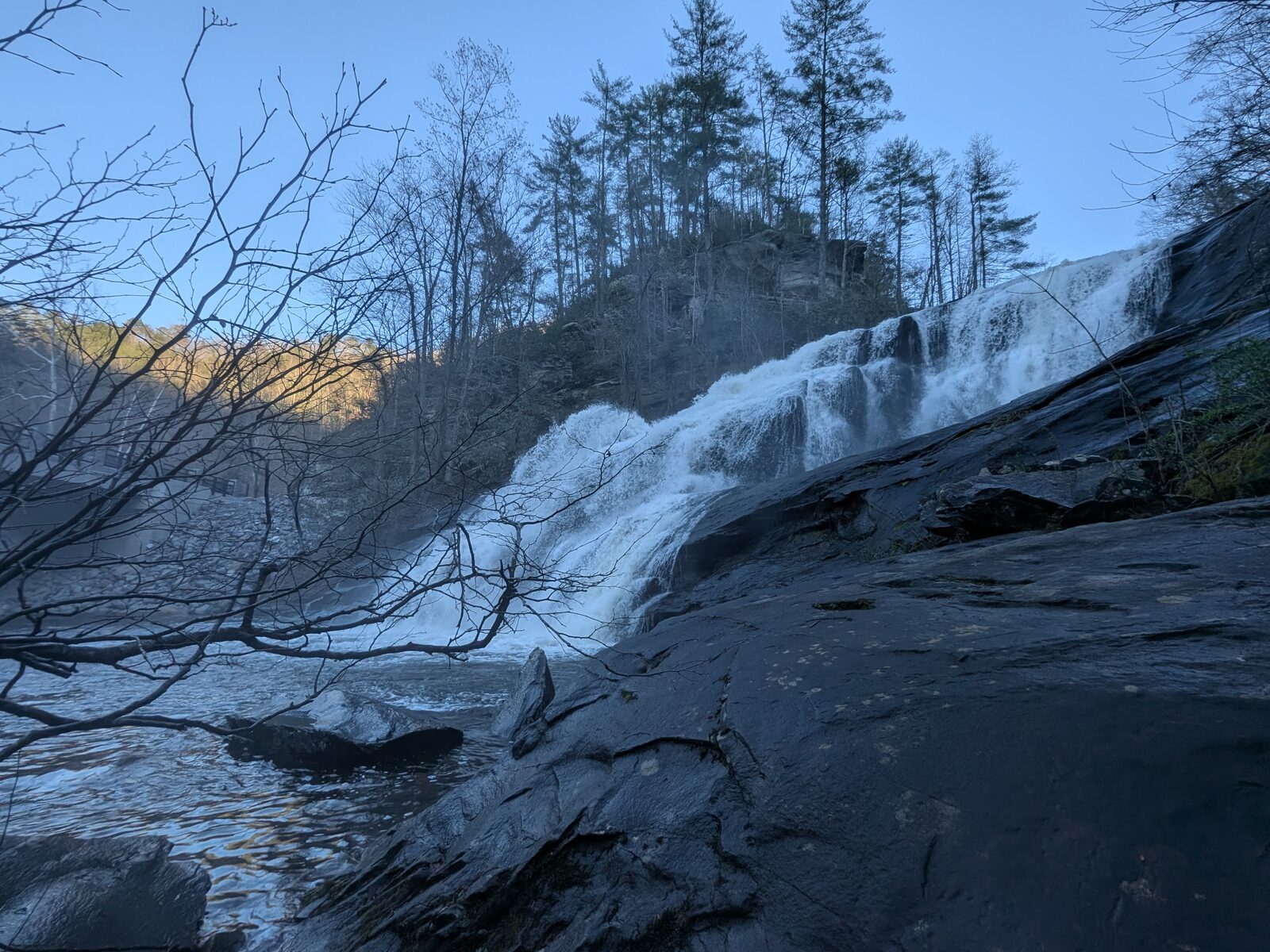
For us, that was one of the biggest takeaways. In Tellico Plains, a daily outdoor life feels easy. Hiking, fishing, kayaking, tubing, river life, mountain life, it is all right there. Being about 30 minutes from Trader Joe's felt like the right balance. Small-town life with enough access to what we still want nearby.
What the Trip Taught Us About Land
This trip did more than confirm what we liked. It taught us some important lessons about land, housing, and what it really takes to build a life in eastern Tennessee.
The first lesson is about unrestricted land. That phrase sounds appealing, but it means exactly what it says. If there are few restrictions, people can build almost anything, and sometimes they do.
We looked at a one-year-old structure that was already headed for failure. There was no vapor barrier under the tin siding. Give that a little time and moisture can work its way into the insulation and turn into mold problems. Reduced restrictions can create opportunity, but they can also create expensive mistakes. You have to inspect carefully and think beyond appearances.
The second lesson is that the best properties often never make it to the open market. In many small towns, land moves through relationships. Owners sell to neighbors, friends, or people they trust, often without realtors involved. They do not want corporations coming in and buying up good land. They want to keep good places local, quiet, and private.
I heard multiple stories from people who said it took years to get the property they now have, because they had to spend time building relationships first. Good properties travel in friendly circles.
That local knowledge matters, and that is part of why this site exists. We know Michigan well because we were born and raised there. We have also spent a lot of time in the Appalachian mountains. Now we are doing the hard work in eastern Tennessee to better understand what this region is really like, not just on paper, but in practice.
The Real Barriers to Entry
Utilities and infrastructure were another major lesson. You can find land, but land alone is not the whole story.
How long will it take to get electric service there? How much will it cost? Will you need to drill a well? Install a septic field? Maintain that septic field over time?
Those are serious barriers to entry, especially on unrestricted or lightly restricted land.
One practical strategy is to buy property that already has service in place, even if the dwelling on it is a teardown. In that case, you may not really be buying the house at all. You are buying access to power, water, and an established site. If necessary, you might even live in the rough structure temporarily while building something better, then remove it later.
Quiet Land Still Comes With Responsibility
The final lesson is one people can easily overlook when they imagine country living. Even on 40-plus acres, you still have neighbors.
Sometimes those neighbors are people. Sometimes they are wild dogs, pigs, bears, or other wildlife.
If you are serious about building a homestead, or even just living on rural land, you need to think about defense. That includes protecting chickens, pets, livestock, and children. Quiet land is not the same thing as risk-free land. Rural ownership comes with responsibility, and part of that responsibility is being prepared.
Why This Trip Mattered
This trip gave us more than scenery. It gave us clarity.
We came away with a better sense of what fits us, what does not, and what people need to understand if they are seriously considering a move to this part of the country. Eastern Tennessee has a lot to offer, but like any meaningful life change, it rewards realism more than fantasy.